Why Protein Is the Missing Link in Midlife Weight Loss
Oct 15, 2026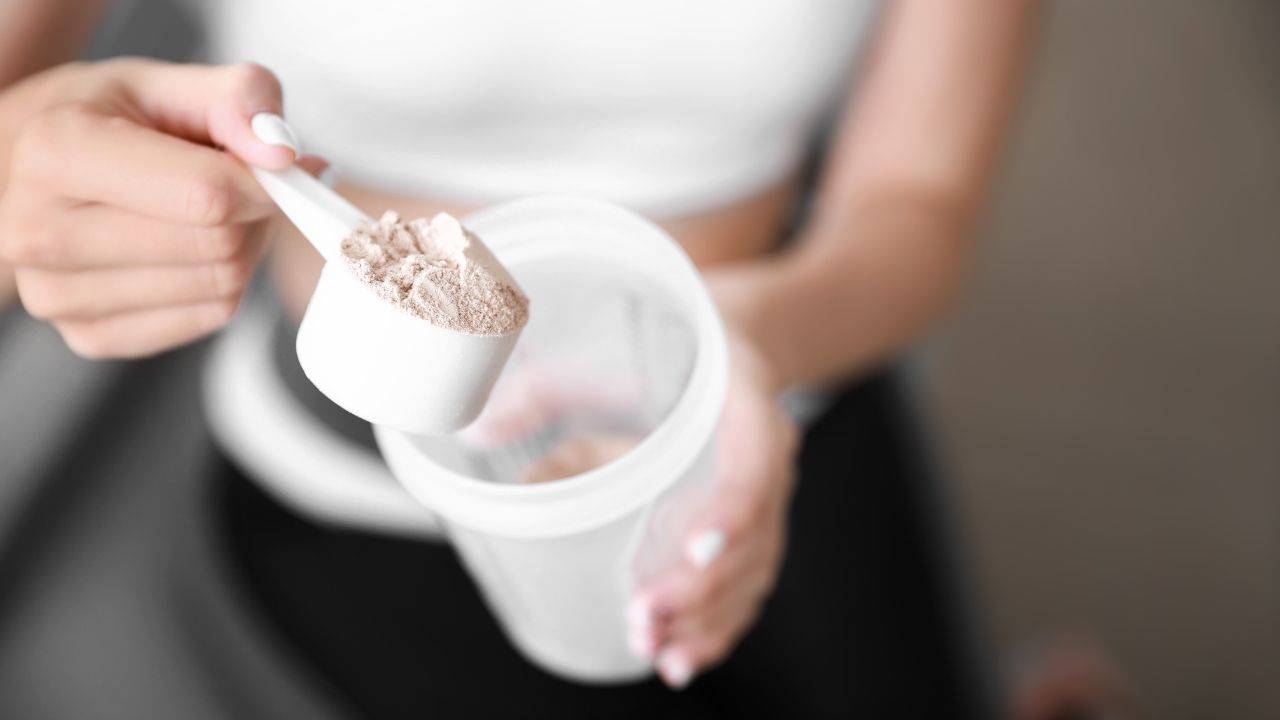
If you’ve ever tried to lose weight and felt like you were losing strength or energy along the way, you’re not imagining it. What often happens is that weight loss efforts cut into muscle mass, not just body fat. And muscle is something we want to protect at all costs—it keeps our metabolism humming, supports hormones, and allows us to do the things we love with confidence.
The good news? Protein can make all the difference.
Muscle Matters More Than the Scale
When calories go down, the body looks for energy wherever it can get it. Without enough protein, muscle breakdown speeds up, leaving less lean tissue behind. This matters because:
-
Muscle drives metabolism. Less muscle means a slower burn.
-
Strength equals freedom. From running a trail to carrying groceries, muscle is about living fully.
-
Weight loss without strength feels defeating. You may see a smaller number on the scale but feel weaker, hungrier, or more frustrated.
How Much Protein Do You Really Need?
Most of us grew up hearing the “0.8 grams per kilogram” guideline. That’s actually just enough to prevent deficiency, not enough to support weight loss or preserve muscle.
For women in midlife (especially if you’re active):
-
Aim for 1.2–1.6 grams per kilogram of body weight each day.
-
If you’re training hard, lifting, or running, you may need closer to 1.8–2.0 grams.
-
If you’re over 50, your body becomes less efficient at using protein, so a bit more may be beneficial.
Quick math example:
At 150 pounds (about 68 kg), a daily target might be 80–110 grams of protein—spread throughout the day.
Timing and Distribution: Why “Dinner-Only Protein” Doesn’t Work
One of the biggest mistakes I see? Saving protein for dinner. Our muscles respond best when protein is spread evenly across meals. That means breakfast and lunch count just as much as dinner.
Practical ways to hit that balance:
-
Breakfast: 2 eggs + Greek yogurt with berries
-
Lunch: Chicken salad with avocado and greens
-
Snack: Protein shake or cottage cheese with fruit
-
Dinner: Salmon, roasted veggies, and quinoa
Even one high-protein meal a day can help, but spreading it out is more effective for protecting muscle and reducing cravings.
Pair It with Strength Training
Protein gives your muscles the building blocks, but exercise provides the blueprint. Without both, results fall flat.
-
Cardio is great for heart health, but it won’t preserve muscle on its own.
-
Resistance training (2–3x/week) is key—think weights, bands, or even bodyweight movements like squats and push-ups.
-
Daily movement still matters. Walking, yoga, and stretching layer in recovery, mobility, and energy balance.
What Gets in the Way (and How to Solve It)
-
“I can’t eat that much protein.” Start small. Add 10 grams at a time (like a hard-boiled egg or half a scoop of protein powder).
-
“Protein upsets my digestion.” Try smaller portions more often, sip more water, and add fiber from veggies.
-
“It feels expensive.” Eggs, canned fish, beans, lentils, and Greek yogurt are all affordable staples.
Why This Matters
Losing fat while keeping muscle is the ultimate win. It means you’re not just smaller—you’re stronger, more energized, and better supported for hormone balance and long-term health.
When protein intake is dialed in and paired with movement, weight loss feels less like restriction and more like freedom. You’ll notice better satiety, fewer cravings, and the confidence that comes with maintaining your strength through every season of life.
✨ Takeaway: Don’t think of protein as a diet “hack.” Think of it as your insurance policy for health, strength, and the freedom to live fully in your body.
Ready for a more personalized approach?
If you’re tired of piecing together health advice and want help understanding what matters most for your body, we’d love to talk.
Stay Connected
Practical health insights, useful tools, and thoughtful guidance for making wellness work in real life — delivered to your inbox.
We hate SPAM. We will never sell your information, for any reason.
